
Under the Cranes: What the Port of Oakland Moves, and Who Watches Over It
The Port of Oakland is the city's industrial heart — container terminals, truck routes and airport operations run by a public agency. We open a standing file on how the port works and where the public's questions belong.
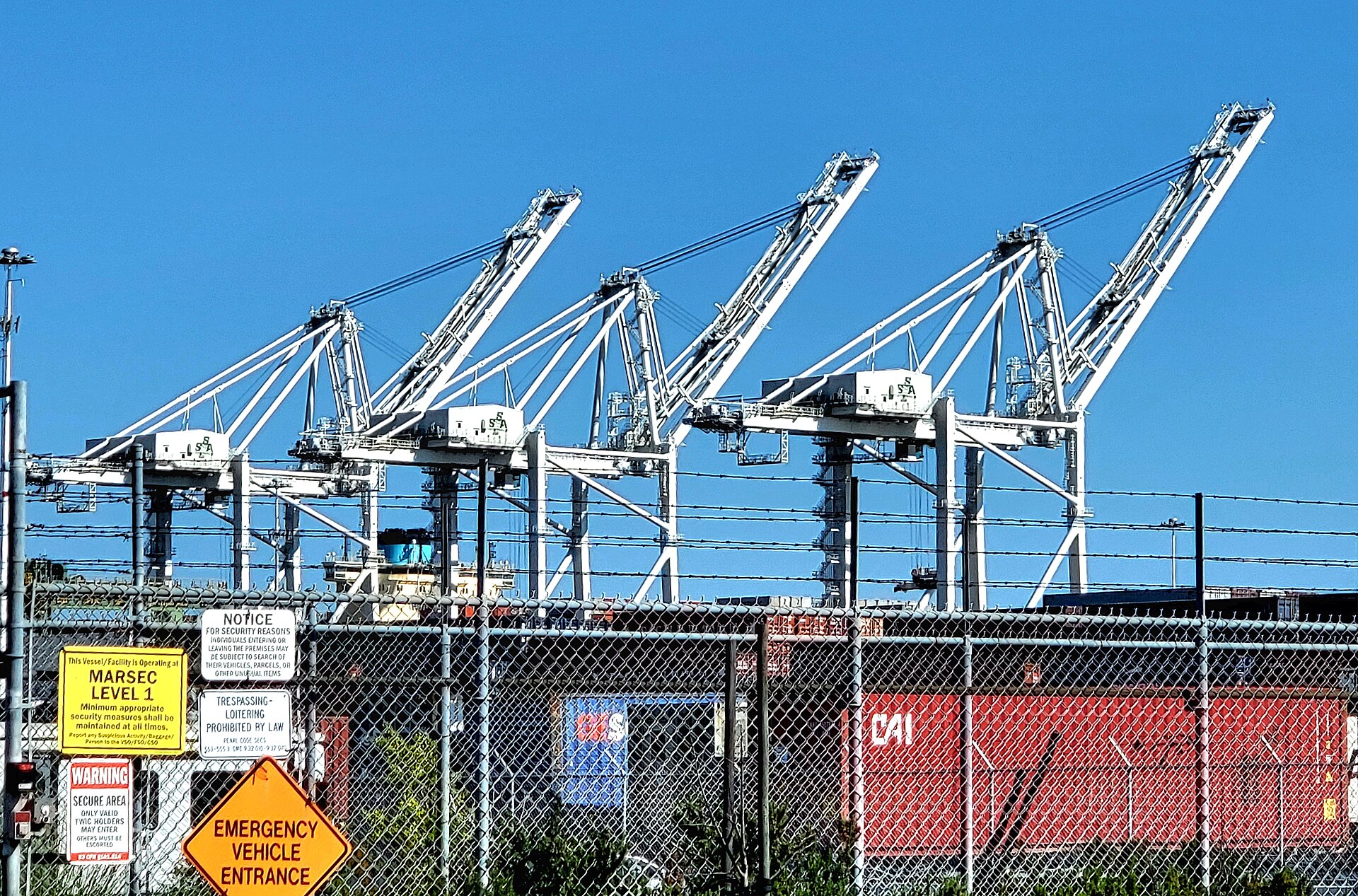
The cranes are the most honest skyline in Oakland. The container terminals along the estuary and the bay move the region's trade — agricultural exports from California's interior heading out, imports heading in — under the authority of the Port of Oakland, the city agency that also runs Oakland International Airport and manages commercial real estate along the waterfront, including Jack London Square.
An investigations desk starts with structure. The port is not a private company; it is a public agency governed by a Board of Port Commissioners appointed through the city's process, operating on public land at the water's edge. Its decisions — leases, terminal operations, infrastructure spending — are made in public meetings with public records, which means the paper trail exists for anyone willing to read it.
The port's footprint in daily Oakland life is the truck. Containers move between the terminals and the region's warehouses on designated truck routes through West Oakland, and the tension between that freight economy and the neighborhood that hosts it — its air, its streets, its history — is one of the city's defining civic questions. It is a question with agencies, plans and public comment periods attached, not just opinions.
The airport adds a second file. Oakland International, the East Bay's principal airport, competes for passengers and cargo across the bay from San Francisco's, and its growth, noise and environmental footprint are recurring subjects at commission meetings and in community forums in East Oakland and Alameda, just across the water.
This desk will keep the port file open: publishing meeting schedules, reading the public documents, and following the decisions that shape the waterfront. Readers with port-related tips — a document, a meeting we should attend, a question the public record should answer — can send them to the station. The cranes are visible from half the city. What happens beneath them should be, too.